

Our programs
Develop confidence and a genuine love of math through creative problem solving, hands-on exploration, and logical reasoning.
Go beyond the standard curriculum, develop deeper mathematical understanding, logical reasoning, and confident problem-solving with creativity and independence.
Develop mathematical maturity through algebra and geometry, preparing students to enter high school with confidence and a strong foundation for advanced mathematics.
How it works
 Understanding Over Memorization
It’s About Why, Not Just What
Most math programs teach formulas and procedures. We teach students to think.
From an early age, we encourage students to ask questions like “Is this true?” and “How can I figure this out?” instead of simply memorizing rules or following steps.
By exploring the logic behind mathematical ideas, students discover why mathematical concepts work, not just how to apply them. As a result, they develop real understanding, confidence, and the ability to tackle unfamiliar problems without relying on memorized methods.
This approach helps students become thoughtful, independent problem solvers who can analyze ideas, recognize patterns, and solve challenging, non-routine problems—skills that extend far beyond mathematics.
 Beyond MATH
Building Thinkers, Not Just Mathematicians
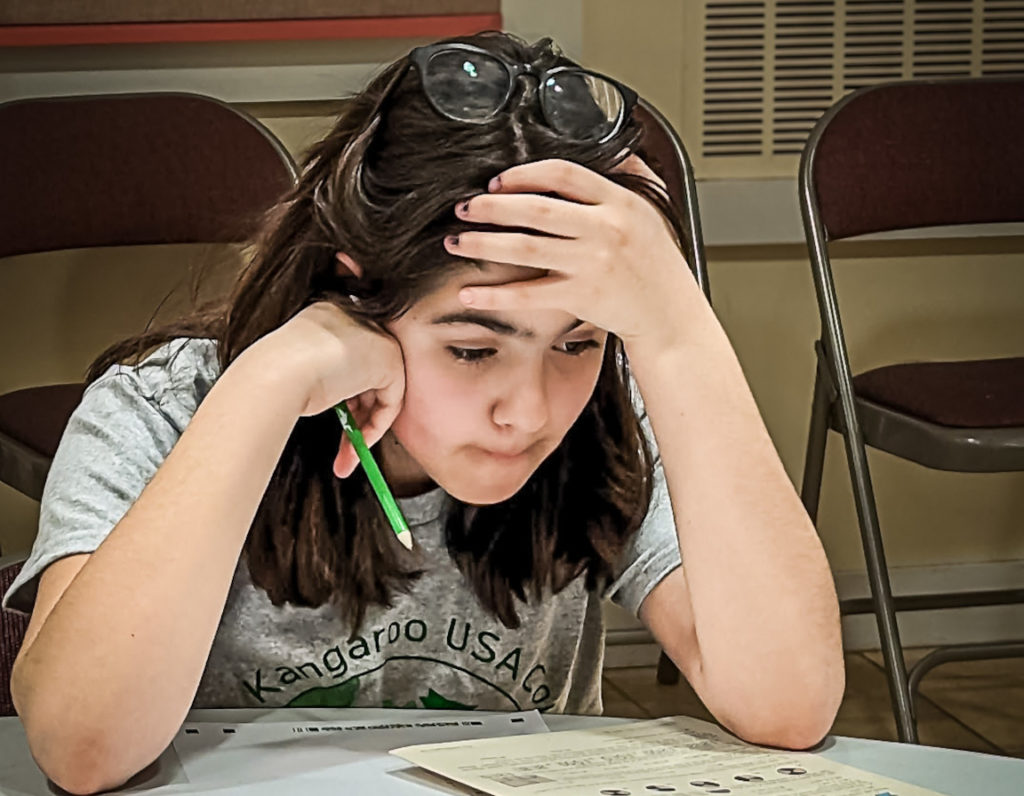
Math is about much more than numbers and calculations. Our curriculum includes logic puzzles, creative challenges, and non-routine problems that encourage our students to think beyond familiar methods.
Students love the excitement of solving problems that don’t have an obvious solution. They discover that there is often more than one way to solve a problem — and that challenging problems can be both rewarding and fun.
These experiences develop reasoning, creativity, persistence, and curiosity — skills that help students succeed not only in mathematics but in science, engineering, computer programming, and everyday problem-solving.
 Beyond PAPER & PENCIL
Math You Can Build, Touch, and Explore
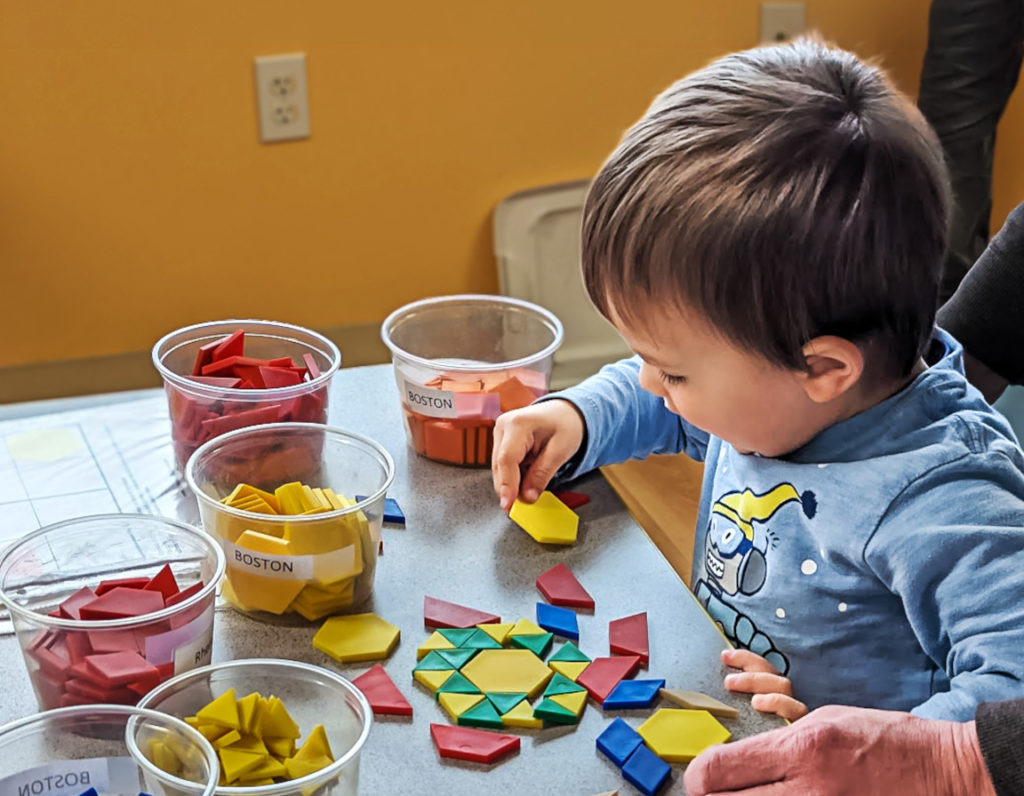
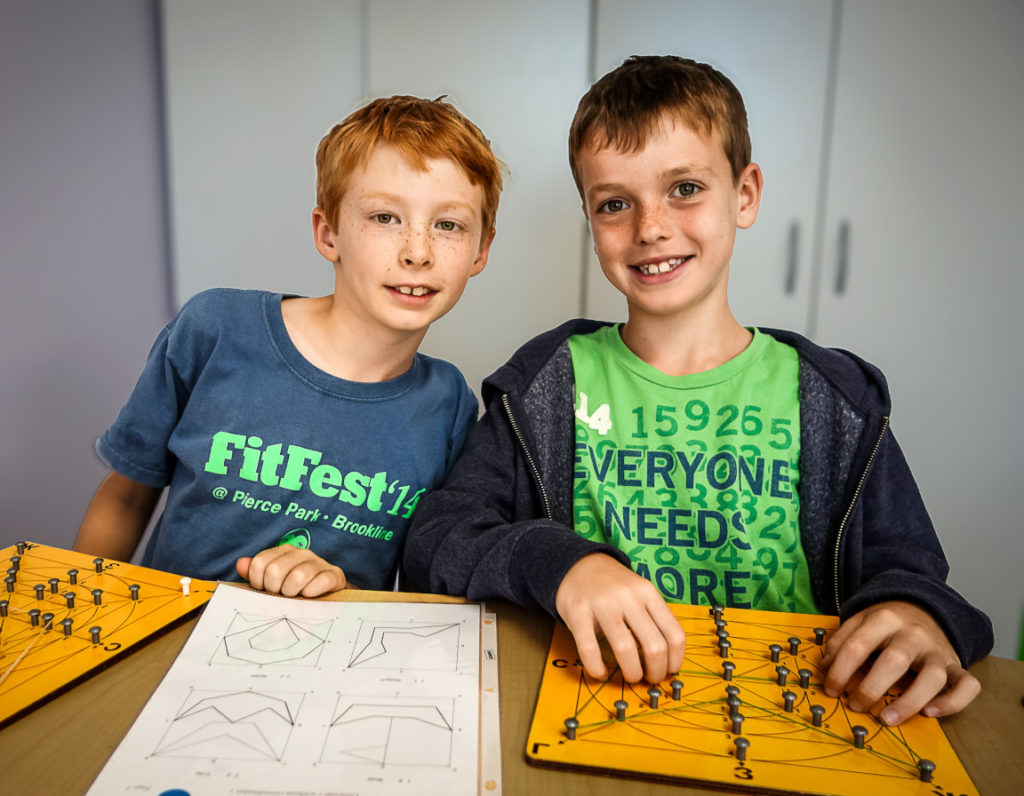
Math isn’t just about worksheets. At Studio of Engaging Math, students learn with a wide variety of hands-on materials, including manipulatives, construction sets, geometric games, mosaics, and other interactive tools.
Concepts that can seem difficult on paper often become clear when students can explore them with their hands. Building, arranging, experimenting, and discovering help students see mathematical ideas from different perspectives.
These experiences make math more engaging, memorable, and enjoyable while helping students develop a deeper understanding of the concepts they are learning.
 Small Groups, Big Impact
Every Student Has a Voice
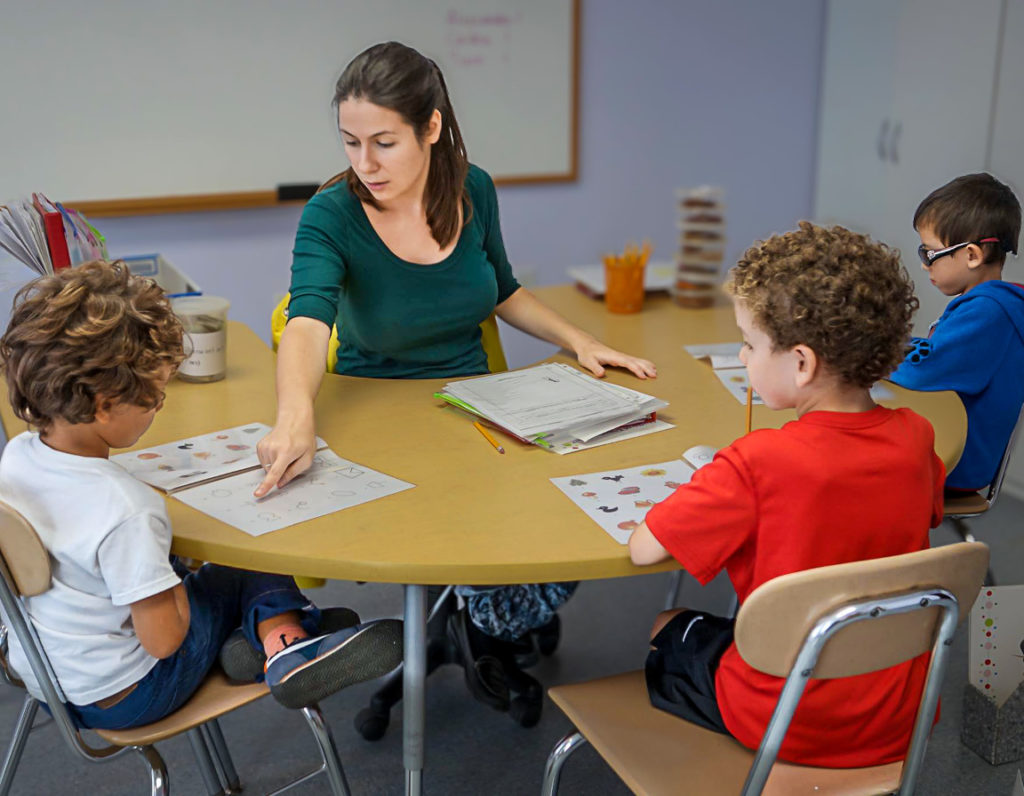
We limit our classes to just seven students, creating an environment where every child can participate, ask questions, and receive individual guidance. Small class sizes also allow our teachers to adapt discussions, ask follow-up questions, and provide just the right level of challenge for each student.
Our lessons are built around discussion rather than lecture. Using the Socratic Method, we encourage students to explain their reasoning, listen to different approaches, ask questions, and learn from one another.
Just as importantly, we create a classroom where mistakes are welcomed as part of the learning process. Instead of simply correcting an error, we explore why it happened and what we can learn from it. These conversations help students develop stronger reasoning skills, gain confidence, and become thoughtful, independent problem solvers.
 TAILORED curriculum
The Right Pace, The Right Challenge
No two students learn at exactly the same pace. That’s why we place students into groups with peers who are at a similar stage in their mathematical development, allowing every class to move forward at a pace that’s both appropriate and challenging.
Instead of relying on a fixed textbook, our teachers design each week’s lessons and homework based on how students performed the previous week. If a concept needs more time, we reinforce it before moving on. If students are ready for more, we introduce increasingly challenging problems to keep them engaged and growing.
With five different levels for every grade, we can match students with the group that’s right for them. After every class, teachers record detailed notes about each student’s progress, allowing us to continuously adjust instruction throughout the year.
Rather than expecting every student to fit the curriculum, we adapt the curriculum to fit the students.
 SPATIAL reasoning
Developing Visual Thinkers
Spatial reasoning is a fundamental part of mathematical thinking. It helps students visualize, recognize patterns, understand geometric relationships, and solve problems in three dimensions.
At Studio of Engaging Math, students strengthen these skills through puzzles, construction sets, mosaics, folding activities, and 3D modeling. By building, creating, and experimenting, they develop the ability to think visually and approach problems from different perspectives.
As students progress, these same skills become the foundation for more advanced mathematics. Our middle school curriculum includes a formal geometry course, where students learn theorems, write proofs, and solve challenging geometric problems with confidence.
Strong spatial reasoning provides a lasting advantage in geometry and many STEM fields, making it an essential part of our curriculum.
Parents say about us
“This Math Enrichment school has been amazing for all three of our children for several years. They know how to reach each child where they are and find the perfect balance of engagement and challenge for a variety of learners. The teaching staff is excellent, approachable and extremely dedicated. We could not be happier with our investment. ”
Petra B.
Students say about us
“I spent 10 years at the studio, and my time there helped spark an interest in mathematics that eventually led me to pursue further studies in the field. I highly recommend it! ”
Ari L